Skip to content
Trading & AMMs

Liquidity Aggregation

Combining liquidity from multiple sources for better trading execution

Definition

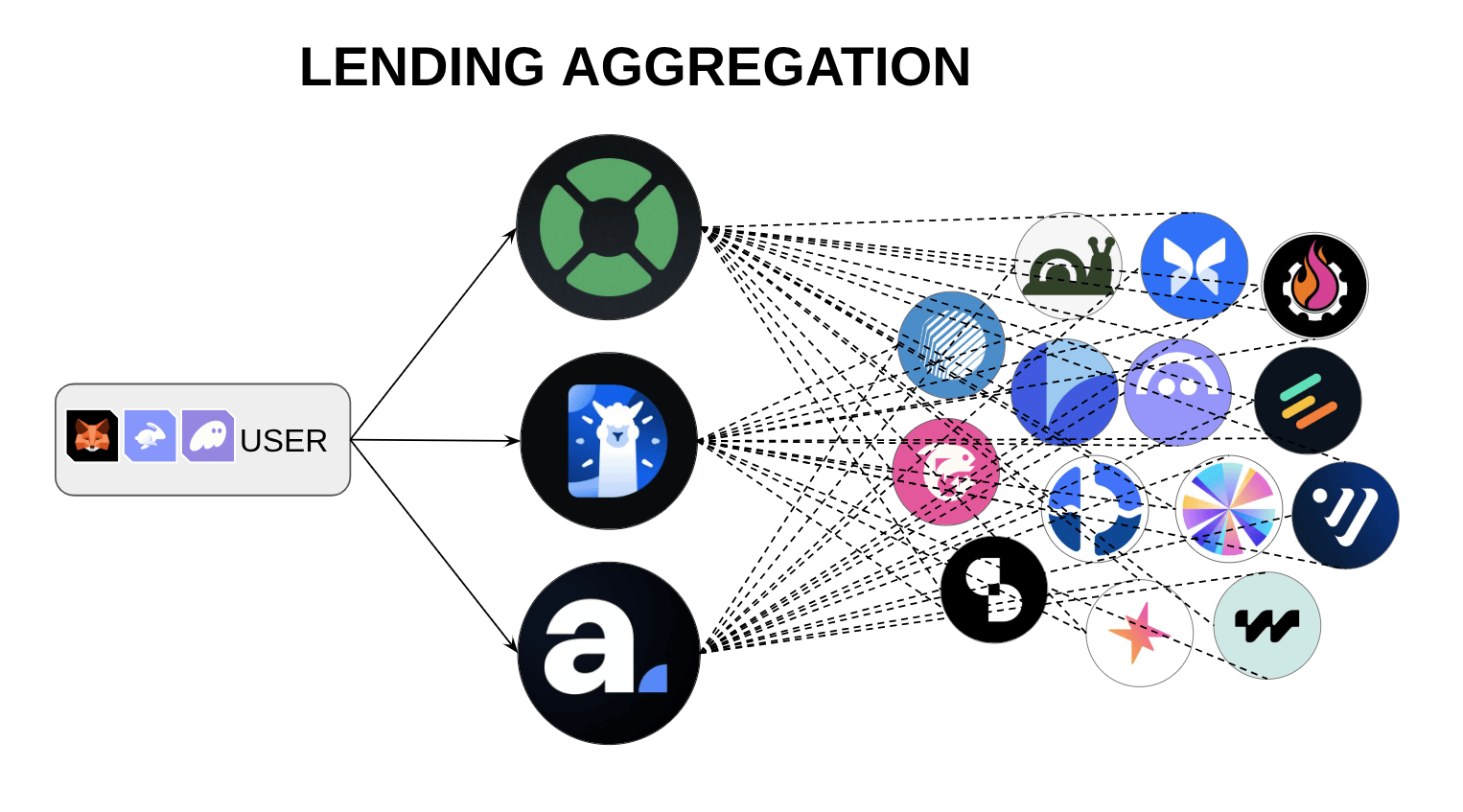
Liquidity aggregation combines liquidity from multiple sources (DEXs, CEXs, pools) to provide better prices, reduce slippage, and improve trading execution for users.

Liquidity Aggregation is a trading term used to understand Combining liquidity from multiple sources for better trading execution. In practice, it matters because it affects how users evaluate protocols, compare opportunities, and avoid hidden assumptions.

Example

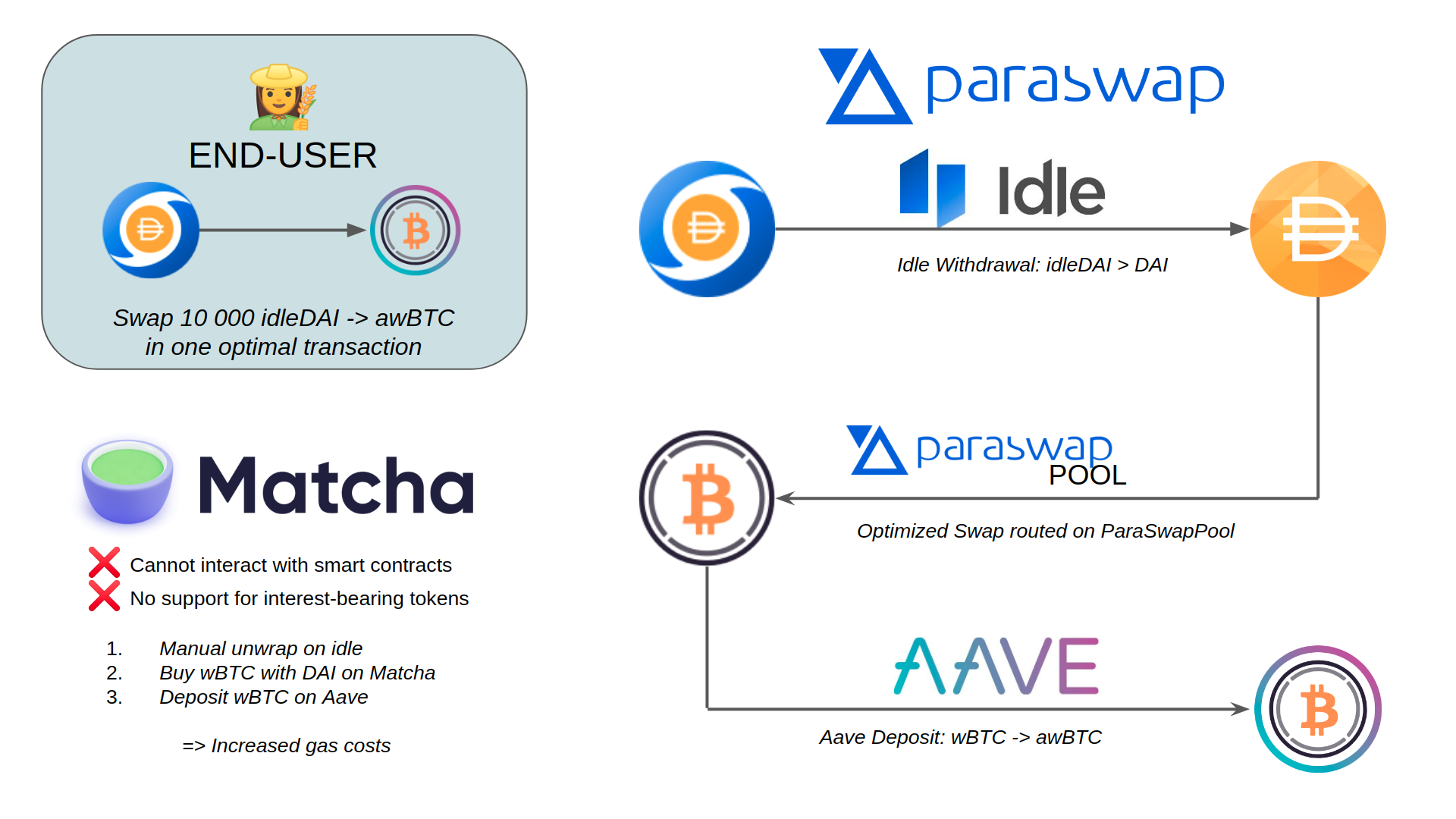
Aggregators like 1inch and Paraswap combine liquidity from Uniswap, SushiSwap, Balancer, and other DEXs for optimal trades.

1

How it works

In practice, the concept shows up like this: Aggregators like 1inch and Paraswap combine liquidity from Uniswap, SushiSwap, Balancer, and other DEXs for optimal trades.

2

Why it matters

Liquidity Aggregation matters because small misunderstandings in DeFi can turn into bad pricing, liquidation, governance, custody, or smart-contract risk. A good mental model helps you compare protocols without relying on marketing language.

3

What to check

Treat it as a trading concept: compare expected benefit with fees, slippage, liquidity, volatility, and execution risk. The main checks are: Complex smart contracts; Higher gas costs; Aggregation failures.

Risks to Consider

  • Complex smart contracts
  • Higher gas costs
  • Aggregation failures

Common Questions

What does Liquidity Aggregation mean in DeFi?

Liquidity Aggregation means Combining liquidity from multiple sources for better trading execution. The useful question is not only the definition, but how the mechanism changes risk, return, liquidity, or governance for the user.

How is Liquidity Aggregation used in practice?

A practical example: Aggregators like 1inch and Paraswap combine liquidity from Uniswap, SushiSwap, Balancer, and other DEXs for optimal trades.

What should I check before relying on Liquidity Aggregation?

Check complex smart contracts, higher gas costs, aggregation failures. Also verify liquidity, oracle assumptions, admin controls, and whether the protocol has been tested during stressed markets.